Investigating the Environmental Consequences of Pallet Liquidation: A Sustainable Choice
Pallet liquidation embodies an expanding movement toward sustainability, underscoring the value of reuse and recycling. This method not only minimizes landfill waste but also fosters local economic growth. Exploring its environmental consequences reveals a complex interplay between resource management and consumer habits. As organizations and communities adopt this approach, inquiries surface about its extended feasibility and influence. What implications does this hold for the advancement of green initiatives?
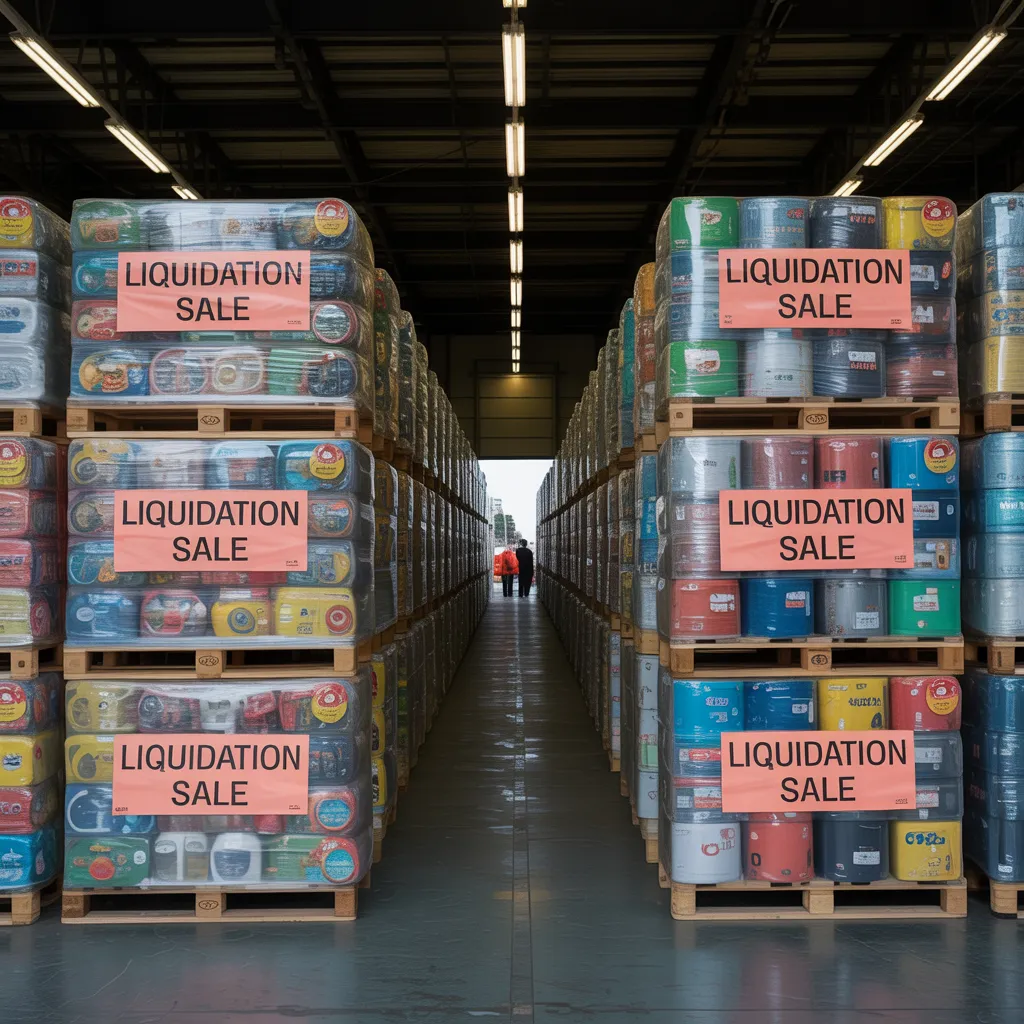
Pallet Liquidation Explained: What It Is and How It Works
Pallet liquidation refers to the process of selling surplus or excess goods, often in bulk, typically via pallets. This approach is frequently adopted by manufacturers, retailers, and wholesalers who need to clear out unsold or discontinued inventory. The goods are usually packaged on pallets, which simplifies handling and transportation.
In the liquidation process, businesses may offer these pallets to liquidators or directly to customers at reduced prices. Liquidators frequently categorize, examine, and occasionally restore the items before redistributing them to multiple markets, including discount stores or online platforms. Purchasers can obtain a variety of goods, from tech devices to apparel, enabling cost savings for both shoppers and companies. This organized process not only supports inventory control but also opens avenues for value shopping, making it an advantageous strategy for both retailers and consumers.
Environmental Advantages of Pallet Liquidation
Although many people emphasize the monetary gains of liquidating pallets, its environmental impact are just as important. Liquidating pallets promotes sustainable practices by facilitating the recycling and reuse of valuable materials. This practice lessens the need for new raw materials, thereby conserving forests and decreasing energy consumption associated with manufacturing new pallets.
Furthermore, it decreases landfill waste, as a significant number of pallets that would otherwise be disposed of are reconditioned or reused. This method not only lengthens the operational life of the pallets but also reduces the environmental footprint connected to waste management.
Additionally, pallet liquidation helps in reducing carbon emissions. By cutting down on the need for manufacturing new pallets and transporting them, the overall greenhouse gas output is diminished. In the end, pallet liquidation acts as a practical solution for companies seeking to align their operations with sustainable practices, making it an integral component of a responsible supply chain.
Reducing Waste With Pallet Liquidation
Pallet liquidation plays an essential role in reducing waste by diverting excess inventory from landfills. This method not only finds new uses for unsold products but also aids local businesses that can take advantage of the access to discounted merchandise. By encouraging a circular economy, pallet liquidation contributes to more sustainable consumption practices.
Diverting Landfill Waste
A large share of waste in landfills can be attributed to abandoned consumer items, making practical waste management solutions essential. Pallet liquidation services serves as a preventative strategy to mitigating this issue. By redistributing surplus inventory and unsold products, businesses can prolong the lifecycle of these goods, substantially minimizing the amount that ultimately reaches landfills. This process not only alleviates the burden on waste management systems but also supports a sustainable circular economy. Companies engaging in pallet liquidation advance environmental sustainability by identifying fresh markets for their surplus goods, thereby reducing waste and preserving valuable resources. At its core, this approach promotes a sustainable framework for inventory oversight while meeting the pressing demand for efficient waste diversion.
Making Use of Unused Inventory
Smart waste diversion approaches not only emphasize minimizing landfill contributions but also on innovatively repurposing excess inventory. Pallet liquidation offers a unique opportunity to give new life to surplus goods that might otherwise go to waste. Organizations can turn unsold goods into meaningful resources, such as offering products to nonprofits or preparing them for resale. This approach not only minimizes environmental impact but also fosters innovation in product use. As an example, unsold apparel might be transformed into reusable fabric goods, while surplus electronics can be restored to working condition. By leveraging pallet liquidation, companies can efficiently manage excess inventory, reduce waste, and promote sustainability, ultimately contributing to a circular economy that values resourcefulness and environmental responsibility.
Championing Local Businesses
The liquidation of excess inventory plays a critical part in sustaining local enterprises while at the same time cutting down on waste. By enabling the redistribution of surplus products, surplus pallet liquidation provides smaller enterprises access to cost-effective goods that could otherwise sit unused. This practice not only enables these businesses to succeed but also fosters a sense of community, as neighborhood retailers can offer unique items at competitive prices. Furthermore, buying through liquidation channels reduces the environmental footprint connected to creating new merchandise, thus reducing resource use and landfill contributions. The practice encourages a circular economy, where products are reused and repurposed, advancing eco-friendly initiatives. In the end, pallet liquidation serves as a crucial mechanism for economic growth and environmental stewardship across local communities.
Savings and Revenue Prospects Through Pallet Liquidation
Pallet liquidation provides substantial cost-saving benefits for businesses by boosting profit margins and reducing inventory expenses. Companies can turn surplus inventory into cash, consequently strengthening cash flow. This approach not only enhances profitability but also streamlines operations by alleviating the challenges of surplus inventory.
Optimizing Profit Margins
Accessing opportunities in pallet liquidation can greatly enhance profit margins for businesses. By acquiring unsold inventory at reduced prices, companies can capitalize on significant cost savings. This approach not only reduces operational costs but also enables competitive resale pricing, drawing in a wider range of customers. Moreover, enterprises can broaden their product selections by sourcing diverse pallet categories, enabling access to different market niches. The opportunity to swiftly process inventory via liquidation avenues helps companies preserve cash flow, minimizing financial burden. In addition, collaborations with liquidation providers can optimize business operations, granting access to essential resources and industry knowledge. In summary, successfully capitalizing on pallet liquidation can drive greater revenue growth and stronger profit margins.
Cutting Inventory Costs
Organizations can considerably cut inventory expenditures via strategic participation in liquidation procedures. By offloading excess or obsolete stock in bulk, organizations can swiftly turn dormant stock into revenue, decreasing carrying costs linked to unsold goods. Liquidation not only optimizes inventory control but also lessens the threats of markdowns and stock obsolescence. Moreover, working with liquidation partners can grant access to expanded markets, permitting organizations to engage with consumers who appreciate discounted products. This approach opens avenues for additional revenue, enhancing financial flexibility. Ultimately, effective pallet liquidation serves as a dual advantage: it reduces inventory costs while promoting sustainability through the responsible redistribution of goods, benefitting both the business and the environment.
Recycling and Its Role in Pallet Liquidation
Recycling holds a critical place in the pallet disposal process, turning abandoned wooden pallets into worthwhile assets. This method not only minimizes waste but also advances a resource-efficient economy, where materials are reused rather than discarded. Recycled pallets can be refurbished for continued use in shipping and storage, greatly extending their lifespan.
Additionally, the reclamation process can encompass breaking down pallets into raw materials, which can then be repurposed for creating new products, such as biofuel, furniture, or mulch. This reduces the requirement for new timber, conserving forests learn the facts and limiting the carbon footprint connected to timber harvesting and processing.
Companies involved in pallet liquidation commonly recognize that recycling improves their sustainability standing, resonating with environmentally aware customers. Ultimately, recycling acts as an essential part of the pallet liquidation process, supporting resource preservation and environmental accountability while generating economic rewards.
How to Apply Sustainable Pallet Liquidation Methods?
Implementing sustainable pallet liquidation strategies requires a methodical approach that focuses on environmental responsibility. Companies must first evaluate their ongoing pallet inventory and determine opportunities for repurposing, restoration, or recycling. Establishing partnerships with regional recycling centers or associations can support the correct disposal of worn pallets, limiting waste sent to landfills.
Next, businesses should develop a structured approach for tracking pallet usage and condition, facilitating proactive oversight and minimizing waste. Training employees on eco-friendly practices and the value of pallet maintenance can further enhance long-term performance.
Furthermore, embracing a circular system can confirm that pallets are recovered and recycled within the supply chain, promoting eco-friendly economic principles. Finally, companies should communicate their green initiatives to investors, cultivating a culture of environmental responsibility. By adopting these practices, organizations can substantially minimize the sustainability challenges associated with pallet redistribution while developing a more eco-friendly business framework.
Upcoming Trends in Sustainable Pallet Management
A growing emphasis on sustainability is shaping the future of pallet management, with groundbreaking approaches developing to tackle environmental challenges. As organizations work to lessen their ecological influence, the use of environmentally friendly pallet materials is increasing. Eco-conscious and recyclable resources are becoming increasingly widespread, reducing waste and promoting a circular economy.
Furthermore, innovations in technology are facilitating more efficient tracking and management of pallets, enabling companies to enhance their utilization and extend the lifecycle of each pallet. Online platforms are increasingly utilized to streamline the pallet rental and disposal processes, improving clarity and accountability.
Additionally, cooperation between key players—production companies, logistics experts, and retailers—is promoting mutual commitment to pallet environmental goals. This collective approach not only optimizes resource management but also stimulates new ideas. Overall, the future of pallet management is poised to be more sustainable, fueled by technological advances, cooperative efforts, and dedication to ecological responsibility.
Common Questions and Answers
What Product Types Are Typically Available in Pallet Liquidation?
Pallet liquidation typically includes a diverse array of products including electronics, home goods, clothing, and furniture. Retailers frequently offload surplus stock, seasonal merchandise, or returned goods, resulting in mixed pallets. Such pallets can include brand-new items, refurbished products, or slightly damaged goods. The variety allows purchasers to find significant deals, attracting both wholesalers and individuals seeking budget-friendly choices. The uncertainty of the contents brings a sense of thrill to the liquidation experience.
What Is the Impact of Pallet Liquidation on Local Economies?
Pallet liquidation positively impacts regional economies by offering consumers access to affordable products and opening up commercial opportunities for resale entrepreneurs. It empowers small enterprises to grow by buying excess inventory at discounted rates, which may then be offered for sale at a markup. Moreover, the process fosters job creation in logistics and retail sectors, as increasing numbers of workers become involved in acquiring, categorizing, and distributing liquidation goods, thus driving economic growth within local communities.
Are There Regulations Governing Pallet Liquidation Practices?
Indeed, guidelines overseeing pallet liquidation operations have been established, differing by area. These guidelines commonly emphasize safety requirements, waste management, and environmental protection. Local governments may enforce rules to ensure that pallet disposal and processing processes do not damage the environment. Furthermore, companies involved in pallet liquidation must adhere to professional benchmarks to foster sustainability and ethical practices, thus influencing how they function within the marketplace and their impact on local economies.
Can Pallet Liquidation Apply to Non-Retail Products?
Pallet liquidation can indeed be used for non-retail items. Various industries, including manufacturing and logistics, often liquidate excess inventory, equipment, or materials. This method permits businesses to recover expenses by offering these items in bulk, often at lower prices. Non-retail goods such as machinery, office supplies, or industrial components can discover new applications through liquidation, fostering resource efficiency and decreasing waste. As a result, pallet liquidation functions as a practical solution beyond conventional retail settings.
What Are the Dangers Linked to Pallet Liquidation?
The challenges connected with pallet liquidation encompass the likelihood of financial losses resulting from merchandise that fails to sell, variations in the condition of goods, and the possibility of damaged goods. Additionally, buyers may face challenges in evaluating the true value of the pallets, causing unanticipated financial burdens. There is also a risk of legal issues if products are misrepresented or contain hazardous materials. Ultimately, exercising caution and conducting comprehensive evaluations are vital steps to minimizing these risks efficiently.